
Flea & Tick Control in Omaha, NE
Property-Specific Treatment for Omaha Homes & Businesses Since 1996
Quality Pest Control is a locally owned, non-franchise company that has been treating fleas and ticks across Omaha and the surrounding metro since 1996. Nearly 30 years in this specific market means we know which species are active, when they peak, and where they concentrate on residential and commercial properties. We’re licensed in both Nebraska and Iowa, so our coverage doesn’t stop at the state line. Every job starts with a property-specific assessment, not a standard package, and we use least-toxic methods wherever the situation allows. Same-day service and free estimates are available with no obligation.
Omaha’s humid summers, Missouri River corridor, suburban expansion into wooded areas, and connected green spaces give fleas and ticks plenty of territory to work with. Tick and flea season in Nebraska runs from approximately April through October, with peak activity and highest disease risk between May and August. Families with pets and children spending time outdoors face the most direct exposure during those months. The sections below cover what’s active in the Omaha area, how we treat it, and what you can do between professional visits.
Tick Species & Disease Risk in the Omaha Area
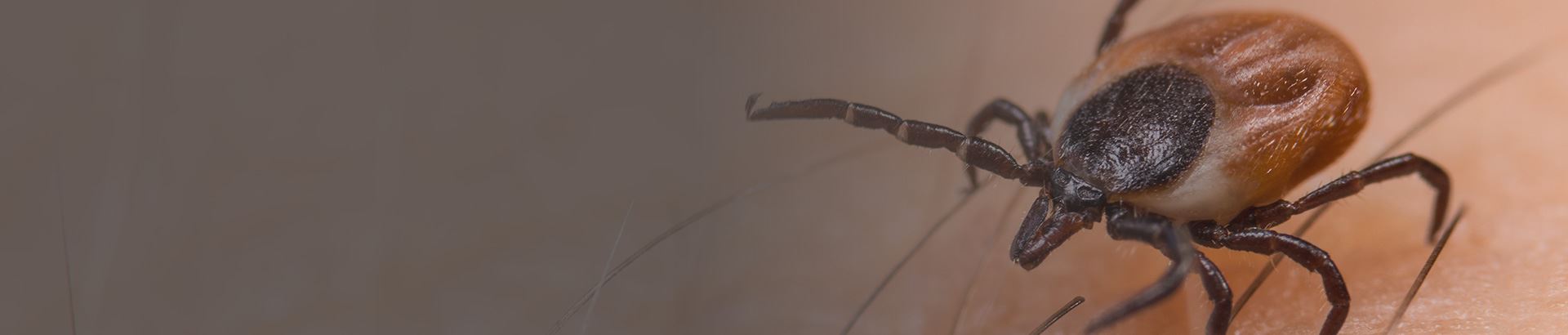
The two ticks residents encounter most often in eastern Nebraska are the American dog tick (Dermacentor variabilis) and the lone star tick (Amblyomma americanum). Both are established across Douglas County and the surrounding metro. Tick-borne diseases vary by species. The American dog tick can transmit Rocky Mountain spotted fever and tularemia. The lone star tick can transmit ehrlichiosis, tularemia, and STARI, and has also been linked to alpha-gal syndrome, an allergy to red meat triggered by a bite.
In June 2019, Nebraska state health officials confirmed established black-legged tick populations in Douglas, Sarpy, and Saunders Counties for the first time. That confirmation added Lyme disease to the list of locally relevant tick-borne disease risks in the Omaha area. Not every tick carries disease, but the risk is real and present in Omaha’s own backyard.
Understanding how ticks find hosts matters for prevention. Ticks don’t jump or fall from above. They practice questing: waiting on grass blades or brush with front legs extended, latching onto a person or animal that brushes past. Tick populations in Omaha concentrate at wooded edges, shaded yard areas, tall grass along fence lines, and property borders that meet parks or trails. Homes along the Missouri River corridor or near Omaha’s suburban wooded areas see higher activity. One species worth noting indoors: the brown dog tick can complete its entire life cycle inside a home, making it a risk in households with dogs even without direct outdoor exposure. Most other species hitchhike in on people and pets rather than establishing indoors.
We’ve monitored Omaha’s pest patterns continuously since 1996 and adjust our treatment approaches as those patterns shift. Tick-related emergency department visits in Nebraska for 2025 have exceeded historic averages based on state provisional data, a sign of the heightened pressure the Omaha area is currently facing.
Comprehensive Flea Prevention for Your Home
The most common flea species in Omaha are the cat flea (Ctenocephalides felis) and the dog flea (Ctenocephalides canis). Despite the names, both infest a wide range of animals and can bite people. Fleas spread from pets to carpets, furniture, and bedding, and diseases spread by fleas include murine typhus and cat scratch disease (CSD).
Flea populations build quickly when humidity and temperatures climb, which in Omaha means spring through early fall. Fleas lay eggs in pet bedding, carpets, and shaded yard areas, so complete protection covers both interior and exterior environments. Regular vacuuming, frequent pet checks, and integrated professional treatment work together to reduce the risk of recurring infestations.
Ready to start protecting your property from fleas and ticks? Call (402) 534-1364 today to request same-day service!
Your Questions, Answered!
Have questions? We are here to help. Still have questions or can't find the answer you need? Give us a call at 402-534-1364 today!
-
How do ticks make their way into my yard in the first place?
While ticks can get into your yard on their own, there is a good chance they got there on another host. Common hosts of ticks are birds, rodents, and wildlife such as raccoons and squirrels. To keep these animals from bringing ticks into your yard, you should install or repair damaged fencing to discourage them. It will also help if you remove food and water sources, as well as harborage areas and entry points into your home.
-
Should I be worried about any diseases caused by ticks?
Not all ticks carry diseases, but it's impossible to tell which do, so you should always take precautions. The diseases spread by ticksvary depending on the species. Lonestar ticks can spread ehrlichiosis, tularemia, Heartland virus, Bourbon virus, and southern tick-associated rash illness (STARI). Dog ticks can spread Rocky Mountain spotted fever and Boutonneuse fever. Rocky Mountain spotted wood ticks can spread Rocky Mountain spotted fever, Colorado tick fever, tularemia, and tick paralysis. Deer ticks can spread Lyme disease, anaplasmosis, B. miyamotoi disease, ehrlichiosis, babesiosis, and Powassan virus.
However, a tick must be attached for thirty-six hours to transmit diseases. Still, they may go unnoted due to the anesthetic this pest injects when they bite.
-
What do I do if there is a tick on me, my pet, or someone else?
If you find a tick on someone or a pet, use a fine-tip pair of tweezers, grasp the tick as close to the skin as possible, and pull it straight up. Don't twist or jerk as you pull; you could risk leaving parts of the tick behind. After you have removed the tick, wash the affected area with warm water and soap. Keep an eye out for symptoms and seek medical attention if you are concerned.
To dispose of a tick, seal it in a plastic bag or flush it; never crush it with bare hands.

How Quality Pest Control Approaches Tick Control in Omaha
Every property we treat gets a full assessment before any work begins. Yard size, shade level, landscaping, and proximity to wooded areas or parks all shape what we recommend. There’s no standard package applied without thought. This is integrated pest management (IPM) in practice: identify the source of pest pressure, address the conditions sustaining it, apply targeted materials, manage activity, and then implement long-term prevention.
Treatment Targeting & Safety Standards
For tick control, treatment targets shaded resting areas, vegetation edges, and the lawn-to-landscape transitions where ticks concentrate. We don’t treat areas that don’t need it. Where chemical treatment is required, we select the most targeted, lowest-toxicity option for the situation. Homes near Omaha parks, wooded corridors, or areas with deer or rodent activity may benefit from more frequent monitoring to keep tick pressure low through the active season.
Our technicians complete ongoing continuing education in pest biology and environmentally responsible treatment methods. Nebraska and Iowa both require licensed pest control applicators to maintain active certifications, and we meet those requirements in both states. We also hold the QualityPro certification from the National Pest Management Association, awarded to companies that meet the NPMA’s standards for professionalism, safety, employee training, and business practices. A very small percentage of pest control companies in the U.S. carry this certification. If a treatment doesn’t resolve the issue, we come back. That’s been our standard since 1996.
We serve both residential and commercial clients, including offices, restaurants, healthcare facilities, schools, and retail spaces throughout Omaha and the surrounding areas.
Steps to Reduce Flea & Tick Exposure Between Treatments
Professional treatment works best when homeowners take consistent steps between visits. When clients ask what they can do on their own, we walk them through those options directly. The goal is to solve the problem, not to maximize the invoice.
Practical steps that reduce flea and tick pressure around your property:
- Check after every outing: Inspect yourself, your pets, and family members for ticks after any time spent outside, especially near wooded or grassy areas.
- Dress for the habitat: Wear long clothing when spending time in wooded areas or tall grass. It limits surface contact with questing ticks.
- Keep pets protected year-round: Consult your veterinarian about tick prevention products appropriate for your pets.
- Maintain your yard: Mowing regularly, clearing leaf litter, and keeping the border between lawn and landscaping tidy reduce the shaded, humid conditions where ticks and fleas concentrate.
- Limit wildlife access: Deer and rodents are common tick carriers. Reducing attractants that bring wildlife close to the home lowers the number of ticks entering your yard.
Frequently Asked Questions
How Soon Can I Schedule Flea or Tick Service?
We offer same-day and next-day appointments when available. Call us directly to find a time that works for you.
Are the Products Used Safe for My Children and Pets?
Safety comes first on every job. We follow all product label requirements and use the least-toxic methods available, targeting pest activity at its source while working to minimize risks to your household.
Will I Need More Than One Treatment for Ticks or Fleas?
Some situations benefit from follow-up visits to break the pest life cycle, especially during peak season. After we assess your property, we’ll recommend a plan based on what’s actually happening there.
Are Ticks in Omaha Actually Dangerous?
Yes, and the risk has grown locally. In June 2019, Nebraska health officials confirmed established black-legged tick populations in Douglas County for the first time, adding Lyme disease to a list of tick-borne diseases already present in the area. The American dog tick, common throughout the metro, can transmit Rocky Mountain spotted fever and tularemia. The lone star tick can transmit ehrlichiosis and tularemia, and has also been linked to alpha-gal syndrome. Not every tick carries disease, but the risk is real and confirmed in our own county.
Request assistance or advice from our Omaha flea and tick control team today by calling (402) 534-1364 or by contacting us online!

Don’t let pests invade your home or business. Instead, count on our highly trained and experienced team at Quality Pest Control to solve even your most challenging pest problems. If you have questions or are ready to schedule your consultation, contact us today!

We promise to serve our clients and their families, delivering exceptional home pest control service with the highest degree of integrity. We are dedicated to protecting the health and property of our clients while being good stewards of our environment.
Satisfied Clients, Pest-Free Results
Client Reviews
-
 “I've been using their services annually for over 15 years. Don't have spiders or cobwebs in my house - including the basement. Don't have crickets and other crawling insects either. Never a complaint!!”- Nadine R.
 -
“They are reasonably priced. But even more importantly, their staff and their technicians are awesome. We used them at our previous home and now again at our new home. I would highly recommend them.”- Maureen L.
-
“Quality Pest Control has been my go-to pest control company for years now. I really appreciate their personal level of customer service, honesty, and pricing. They always answers my questions and addresses my concerns.”- Alicia A.
-
“We absolutely love the Home Plan available through Quality Pest Control. We pay a monthly fee, and anytime we run into problems, QPC comes to check out what’s wrong at no additional cost.”- Mallory W.
-
“Not only were they knowledgeable and very timely about everything, but Kathy in the office was so nice, patient, and understanding. She really worked with me and helped to get my situation taken care of quickly.”- Tye W.
-
“I had a pest control consult this afternoon with Quality Pest Control. The technician was very efficient and the price for the consult was very reasonable. I would recommend them to anyone with pest control needs!”- Megan S.